
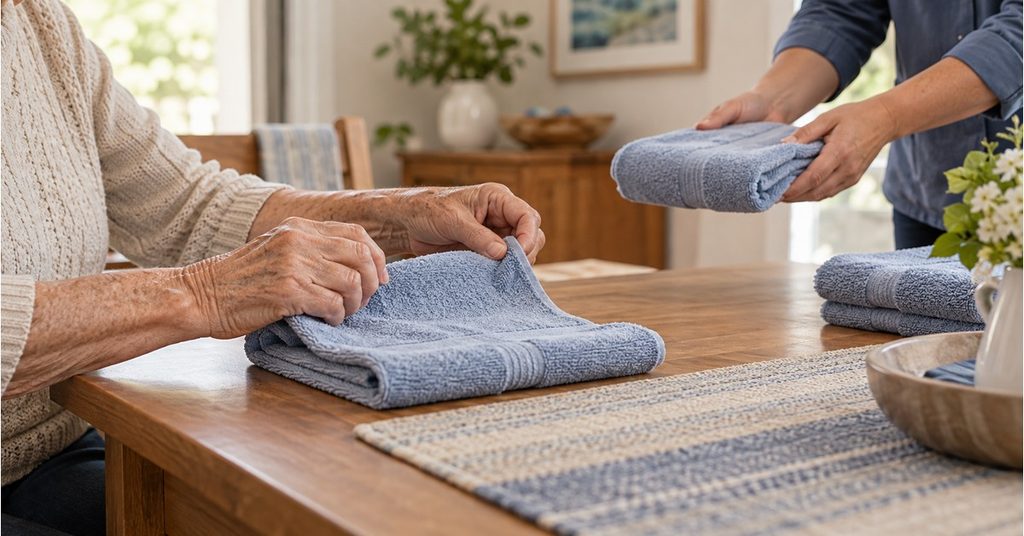
Daily living support can help people stay involved in the routines that make home feel like their own. Families considering Bedford, IN home care services may want assistance that respects personal choices while making everyday activities more manageable. Independence can include deciding what to wear, helping prepare lunch, or completing a familiar task with someone nearby. The goal is to provide enough help for participation while honoring what the person can comfortably do.
Start With the Person’s Priorities
Useful support begins with understanding what matters to the individual. A routine feels more personal when it reflects their preferences, abilities, and reasons for wanting to remain active at home.
Let Everyday Choices Guide Assistance
Ask which daily activities the person most enjoys managing. Someone may value choosing breakfast, organizing their clothes, or making a weekly shopping list. These preferences give caregivers a practical starting point and help families avoid building the entire day around tasks alone.
Recognize Existing Abilities
Notice the steps a person already completes confidently before deciding where assistance belongs. An individual who needs help gathering clothing may still enjoy choosing an outfit and fastening some buttons. Supporting those remaining steps preserves opportunities to use familiar skills.
Build Predictable and Flexible Routines
A familiar sequence can make daily responsibilities easier to follow. Flexibility allows that sequence to accommodate changing energy, personal preferences, and the ordinary interruptions of home life.
Create a Comfortable Daily Rhythm
Choose a few dependable points in the day, such as breakfast, getting dressed, and an afternoon activity. Keep commonly used items in familiar places so the person can participate without searching through several rooms. Discuss any rearrangement first, because a system that looks organized to someone else may feel unfamiliar to its user.
Small adjustments can make routines easier to manage:
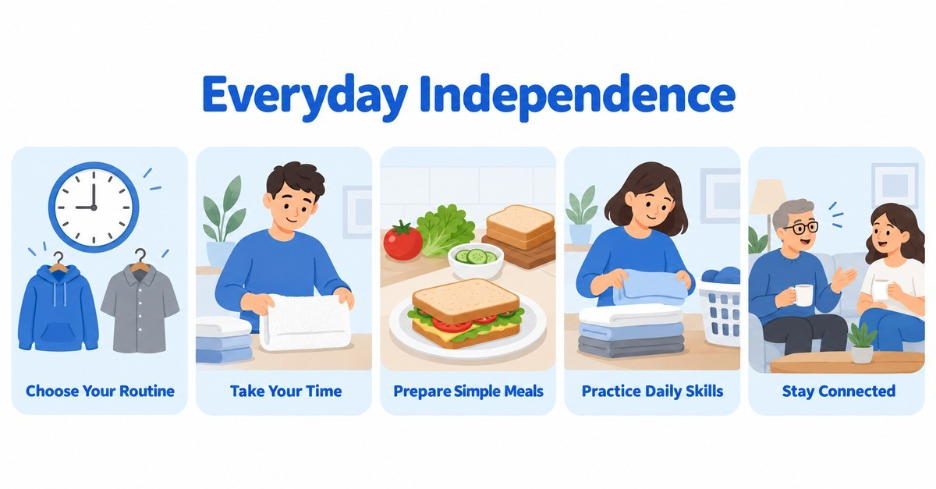
- Offer two comfortable clothing options.
- Gather supplies before beginning an activity.
- Allow extra time for familiar tasks.
- Include pauses when the person wants them.
These ideas provide a starting point rather than a rigid schedule. A person may enjoy a longer morning conversation one day and prefer quiet time the next. Keeping that flexibility helps assistance fit the household instead of making the household revolve around a checklist.
Give Prompts Before Taking Over
A brief verbal cue may be enough to help someone begin the next step. Ask whether assistance would be welcome, then pause to allow a response. If more support is needed, explain what you are about to do so the person remains involved in the interaction.
Patience is especially useful when a familiar task takes longer than expected. Rushing to finish can remove a chance to participate. Agree on a comfortable pace and adjust the amount of assistance to the person’s needs at that moment.
Match Practical Help to Daily Activities
Different tasks call for different kinds of support. Families can consider personal care and household assistance options at home when identifying which steps in a routine would benefit from help.
Keep Personal Care Respectful
Personal care can involve private routines, making consent and communication especially important. Ask about preferred clothing, timing, and how the person likes assistance offered. Explain each step and protect privacy so practical help also respects dignity.
Available care options include attendant care for self-care and mobility, household assistance, and programs that support daily living skills. The appropriate arrangement depends on the individual and the program being considered. Families should discuss the specific tasks requested rather than assuming every type of assistance is included in every plan.
Make Meal Routines Collaborative
Meal preparation offers several ways to take part without completing the entire task alone. A person might choose sandwich ingredients, arrange a place setting, or help write a shopping list. A caregiver can handle agreed tasks while leaving space for those contributions.
Keep favorite foods and customary mealtimes part of the conversation. Familiar preferences can make shared preparation more enjoyable and help the routine feel personal. Follow the individual’s existing dietary guidance when deciding which activities and ingredients are appropriate.

Everyday Opportunities for Participation
The examples below show how assistance can leave room for meaningful involvement. Each activity should reflect the person’s preferences and the support agreed upon in their care plan.
| Daily Activity | Support Offered | Personal Participation |
| Getting dressed | Gather chosen clothing | Select an outfit |
| Preparing lunch | Set out suitable ingredients | Assemble part of the meal |
| Managing laundry | Carry and organize items | Fold familiar linens |
| Planning the week | Write down agreed activities | Choose preferred activities |
Keep Skills and Connection Part of the Day
Daily living includes relationships and personal interests as well as household responsibilities. A balanced routine leaves room for activities the individual finds worthwhile.
Practice Through Familiar Activities
Choose an activity that connects with an existing interest, such as sorting recipe cards or organizing a small shelf. Break it into manageable steps and offer the amount of guidance the person wants. Repeating a familiar activity can provide opportunities to use skills without making the day feel like a series of exercises.
Recognize effort in an adult, respectful way. Asking how the task felt may be more helpful than offering constant praise. The person’s feedback can reveal whether an activity remains enjoyable, needs adjustment, or should be replaced by something more meaningful.
Make Room for Conversation
Companionship can fit naturally into shared tasks. Folding linens together or setting the table may create space to talk about family memories, hobbies, or plans. Let the individual guide the conversation and respect times when they prefer quiet company.
Review the Plan Together
Support works best when everyone understands the person’s goals and communicates about how daily routines are going. A simple review can keep assistance aligned with current needs.
Use a Shared Planning Process
Bring the individual into planning discussions and agree on how preferences will be communicated. These steps can help families prepare for a useful conversation:
- Ask which daily activities matter most.
- Describe where help is currently needed.
- Agree on tasks the person wants to keep.
- Choose a time to review the arrangement.
Keep notes specific and respectful. Recording that someone prefers clothing laid out after breakfast is more useful than a broad statement that mornings are difficult. Families can discuss daily routines and individual support needs using these observations as a starting point for questions about available care.
Frequently Asked Questions
Can Someone Receive Help and Still Be Independent?
Yes. Independence includes having a voice in daily decisions and participating in tasks with appropriate assistance. Support can handle selected steps while the person continues the tasks they value and can comfortably manage.
What Daily Activities Can Home Care Support?
Depending on the arrangement, non-medical support may include personal care, meal preparation, laundry, light housekeeping, companionship, and assistance with everyday routines. Confirm the requested tasks and the relevant program with the provider.
How Can Families Avoid Offering Too Much Help?
Ask before stepping in, observe what the person can do, and allow time for a response. Agree on which steps require assistance and revisit that agreement when preferences or abilities change.
When Should a Daily Support Plan Be Reviewed?
Review it when the individual requests a change or when familiar routines become harder to complete. Regular conversations can also help identify which activities remain useful and which elements of the arrangement need adjustment.
Talk About Support at Home
For thoughtful guidance on Bedford, IN home care services, contact Elite Personal Care LLC at (812) 675-0384. Share your loved one’s daily routines, personal priorities, and the tasks they want to continue managing. A conversation about available support can help your family identify practical next steps while keeping the individual’s choices central.